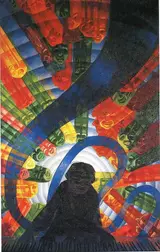
Luigi Russolo
Italian · 1885–1947 · Painter, Printmaker
Luigi Carlo Filippo Russolo was an Italian Futurist painter, composer, builder of experimental musical instruments, and the author of the manifesto The Art of Noises (1913).… (Wikipedia)
Own a work by Luigi Russolo? Get a free auction estimate →
1 work by Luigi Russolo with an auction history (offered more than once) →
ArtSell has recorded 12 auction results for Luigi Russolo between 2019 and 2026, of which 0 sold (0%). A further 7 lots were offered at auction without a published result. Most results come from Farsettiarte (9), Pandolfini (5) and Pananti (3).
12 results
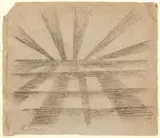
- Studio a grafite, 1908Unsold / did not meet reserveEst. €1,500–2,500
- Unsold / did not meet reserveEst. €800–1,200
- Unsold / did not meet reserveEst. €800–1,200
- Unsold / did not meet reserveEst. €1,800–2,500
- Unsold / did not meet reserveEst. €1,200–2,000
- Unsold / did not meet reserveEst. €600–1,000
- Unsold / did not meet reserveEst. €800–1,000
- Unsold / did not meet reserveEst. €1,000–1,500
- Unsold / did not meet reserveEst. €1,200–2,000
- Unsold / did not meet reserveEst. €1,500–2,500
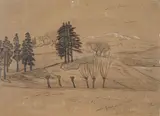
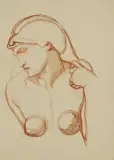
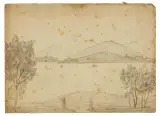
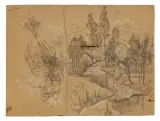
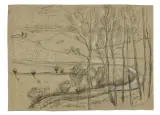
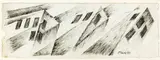
Also offered, result not published (7)
Lots by Luigi Russolo that were offered at auction where the house did not publish whether they sold. Not counted in any statistics.
Luigi Russolo works on paper (3)
Luigi Russolo: quick facts
How many works by Luigi Russolo have sold at auction?
0 of 12 recorded lots sold between 2019 and 2026. 7 further lots were offered with no published result and are not counted.
Which auction houses sell Luigi Russolo?
Farsettiarte, Pandolfini and Pananti account for the most recorded results. Farsettiarte · Pandolfini · Pananti
About Luigi Russolo
Luigi Carlo Filippo Russolo was an Italian Futurist painter, composer, builder of experimental musical instruments, and the author of the manifesto The Art of Noises (1913). Russolo completed his secondary education at Seminary of Portogruaro in 1901, after which he moved to Milan and began gaining interest in the arts. He is often regarded as one of the first noise music experimental composers with his performances of noise music concerts in 1913–14 and then again after World War I, notably in Paris in 1921. He designed and constructed a number of noise-generating devices called Intonarumori.
From Wikipedia, licensed under CC BY-SA 4.0.
In museum collections
Estorick Collection of Modern Italian Art · Public domainTower Bridge, 1929
Wikimedia Commons · Public domainRacing car, 1912
Musée National d'Art Moderne · Public domainUntitled, 1912
Museum of Grenoble · Public domain


